Author name: Beth

Uncategorized

The “Pants Test”: How Massage Restores Real World Balance

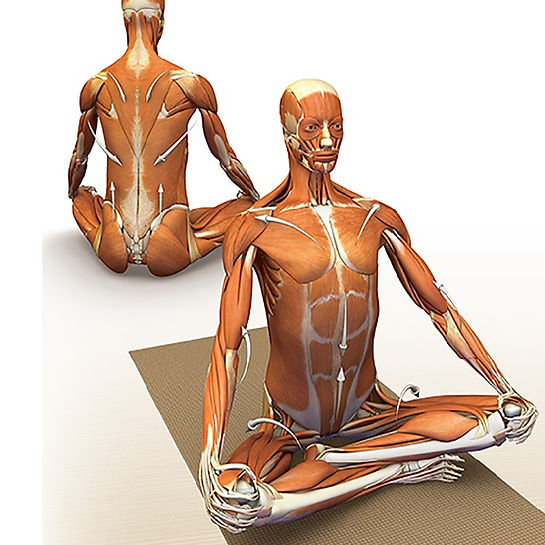
We often talk about massage in terms of relaxation, stress relief, or melting away knots. But recently, a client shared a breakthrough after our session that perfectly captures what massage really does for the body. They told me that they could stand on one leg and put their pants on without wobbling. It sounds like a small, everyday thing. But in reality, it is a massive victory for functional mobility. It means their brain and body started communicating properly again. It is exactly what happens under the skin when a massage session restores your physical balance. 1. Waking Up Your Body’s Internal GPS:  Your joints and muscles are packed with tiny sensors called mechanoreceptors. They constantly send data to your brain about where your limbs are in space. This internal tracking system is called proprioception. When muscles are chronically tight, glued down by fascia, or locked up from stress, those sensors get muffled. It is like driving through a tunnel with a bad GPS signal—your brain has to guess where your body is, leading to that “wobbly” feeling.  Massage manually releases that tissue, clearing the static and restoring a strong signal to your brain. 2. Unlocking the Hip Stabilizers: To stand comfortably on one leg, your pelvis needs to remain level. If your hip flexors, glutes, or lower back muscles are locked tight on one side, they pull your pelvis out of alignment.  During our session, we focused on releasing these deep stabilizing muscles. Once that tension melts away, the pelvis can sit level, giving the core a stable foundation to hold you upright without effort. 3. Faster Nervous System Reflexes:  When you lift one leg, your brain has to instantly tell the opposite leg’s micro-muscles to fire and keep you upright. Chronic tension slows down this nervous system loop. By soothing the nervous system and easing muscle hyper-tonicity, massage speeds up your body’s processing time. Your muscles catch you before a wobble even starts. Celebrate the Functional Victories   Wellness isn’t just about feeling less stressed during your hour on the table. It is about how you move through the world days later. Whether it’s putting on your shoes without sitting down, reaching for the top shelf without pain, or stepping off a curb with confidence—these real-world movements are the true measure of a balanced body. Ready to find your footing again? If you’ve been feeling stiff, disconnected, or a little unsteady on your feet, your muscles might just need a reset. Book a session today, and let’s work on getting Your body back in alignment.
Uncategorized

#CranialSacral Therapy: Listening to the Wisdom of the Body

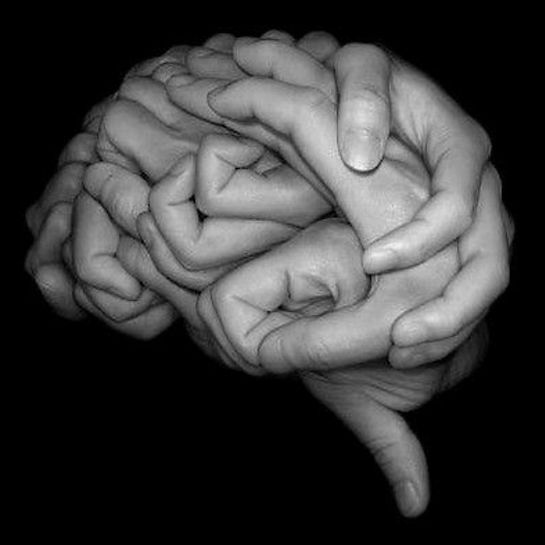
# CranioSacral Therapy: Listening to the Wisdom of the Body In today’s busy world, it’s easy to overlook the subtle messages our bodies send us. Stress, injury, emotional experiences, and the demands of everyday life can leave lasting impressions on our nervous system, often showing up as pain, tension, fatigue, or simply feeling out of balance. CranioSacral Therapy (CST) is a gentle, hands-on therapy that supports the body’s natural ability to heal. Using a light touch, I assess areas of restriction within the craniosacral system and help facilitate the release of tension that may be affecting the body as a whole. Rather than forcing change, CST works by encouraging the nervous system to return to a state of balance, allowing the body to do what it was designed to do—heal. One of the most remarkable aspects of CranioSacral Therapy is the relationship between the mind and the body. Our experiences—both physical and emotional—can become part of our body’s story. When we create a safe and supportive environment, the nervous system often begins to soften, unwind, and restore itself in ways that are unique to each individual. No two sessions are ever exactly alike because no two people have the same story. CranioSacral Therapy is a partnership between therapist and client. My role is to listen—to your body, to your concerns, and to your goals—while guiding each session with knowledge, experience, and compassionate care. Your role is simply to be present and communicate what you’re noticing along the way. There is no right or wrong feedback. Open communication builds trust and helps us tailor each session to your comfort and your body’s needs. Whether you’re seeking relief from chronic pain, headaches, stress, recovery from injury, or simply looking to reconnect with yourself, CranioSacral Therapy offers a gentle path toward greater balance and well-being. At MAJEC Therapy, I believe healing begins with feeling safe, heard, and supported. Every session is an opportunity to slow down, listen to your body, and discover what it has been asking for all along. If you’re curious about CranioSacral Therapy or wondering if it’s the right fit for you, I’d love to answer your questions and help you explore how this gentle, holistic approach can support your wellness journey.

Uncategorized

The Most Important Voice in the Treatment Room is Yours

I was inspired to write this because I recently had a client that was not happy with our session. she did not tell me I heard from a third party. That experience stayed with me—not because every therapist expects every session to be perfect, but because it reinforced something I deeply believe: I can only respond to what I know. If I don’t know that something isn’t working for you, I lose the opportunity to adjust, to explain, to change course, or to better meet your needs in that moment. I understand that speaking up isn’t always easy. But your massage session is one place where your comfort, your experience, and your voice truly matter. I don’t see feedback as criticism; I see it as collaboration. Your honesty helps me become a better therapist, and it helps create the kind of treatment you deserve. Consent isn’t a one-time event—it’s an ongoing conversation. When people schedule a massage, they often assume the therapist knows exactly what their body needs. Sometimes clients feel they shouldn’t interrupt. They worry about offending the therapist by asking for less pressure, more pressure, a different technique, or simply saying, “This doesn’t feel right.” I want you to know something important: Your voice is one of the most valuable parts of your treatment. At MAJEC Therapy, I believe massage is not something that is done to you—it is something we experience together. The best outcomes happen when there is trust, communication, curiosity, and collaboration. If something feels uncomfortable, I want to know. If the pressure isn’t right, please tell me. If you’re cold, if you need another pillow, if you want more silence or more explanation, your feedback matters. If your body isn’t responding the way either of us expected, that’s important information—not a failure. One of the greatest lessons I learned while studying CranioSacral Therapy through the Upledger Institute was that our role is not to force change. We are encouraged to approach each session with curiosity rather than certainty, and with neutrality rather than an agenda. Instead of trying to “fix” the body, we learn to listen—to the subtle rhythms of the body, to the tissues, and most importantly, to the person on the table. The body has an incredible capacity for adaptation and healing. My job is not to overpower that wisdom, but to create an environment where your body can communicate what it needs. That philosophy begins before my hands ever touch you. I believe every treatment should begin with permission. Not simply a signed consent form, but a genuine moment of respect. Before placing my hands on another person, I remind myself that I have been invited into a space of vulnerability and trust. That invitation should never be taken for granted. Massage therapy is a conversation. Sometimes that conversation happens with words. Sometimes it happens through touch. Sometimes it happens through stillness. And sometimes the most important thing we discover is that today’s session needs to be different than what either of us expected. I don’t measure success by whether I can “fix” every ache or eliminate every symptom in one visit. I measure success by whether you leave feeling heard. Whether your nervous system feels safer. Whether your body feels respected. Whether we’ve learned something together that moves you toward better health. Healing is rarely a straight line, and it is never a one-sided process. The relationship between client and therapist is built on mutual trust. My responsibility is to listen with my hands, my eyes, and my experience. Your responsibility is to listen to your own body and feel comfortable enough to share what you’re experiencing. When those two forms of listening come together, something meaningful happens. That is where truly therapeutic massage begins. “Your body is not a problem to be solved. It is a story waiting to be heard. My role is simply to listen alongside you.”

Scroll to Top