Beth Lindgren LMT Blogs

The “Pants Test”: How Massage Restores Real World Balance
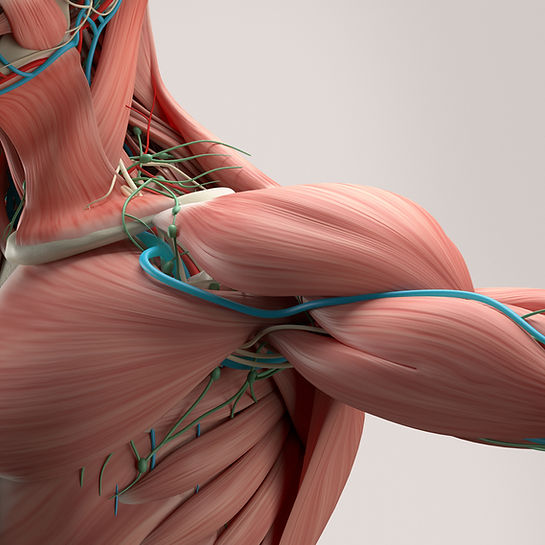
We often talk about massage in terms of relaxation, stress relief, or melting away knots. But recently, a client shared a breakthrough after our session that perfectly captures what massage really does for the body. They told me that they could stand on one leg and put their pants on without wobbling. It sounds like a small, everyday thing. But in reality, it is a massive victory for functional mobility. It means their brain and body started communicating properly again. It is exactly what happens under the skin when a massage session restores your physical balance. 1. Waking Up Your Body’s Internal GPS: Your joints and muscles are packed with tiny sensors called mechanoreceptors. They constantly send data to your brain about where your limbs are in space. This internal tracking system is called proprioception. When muscles are chronically tight, glued down by fascia, or locked up from stress, those sensors get muffled. It is like driving through a tunnel with a bad GPS signal—your brain has to guess where your body is, leading to that “wobbly” feeling. Massage manually releases that tissue, clearing the static and restoring a strong signal to your brain. 2. Unlocking the Hip Stabilizers: To stand comfortably on one leg, your pelvis needs to remain level. If your hip flexors, glutes, or lower back muscles are locked tight on one side, they pull your pelvis out of alignment. During our session, we focused on releasing these deep stabilizing muscles. Once that tension melts away, the pelvis can sit level, giving the core a stable foundation to hold you upright without effort. 3. Faster Nervous System Reflexes: When you lift one leg, your brain has to instantly tell the opposite leg’s micro-muscles to fire and keep you upright. Chronic tension slows down this nervous system loop. By soothing the nervous system and easing muscle hyper-tonicity, massage speeds up your body’s processing time. Your muscles catch you before a wobble even starts. Celebrate the Functional Victories Wellness isn’t just about feeling less stressed during your hour on the table. It is about how you move through the world days later. Whether it’s putting on your shoes without sitting down, reaching for the top shelf without pain, or stepping off a curb with confidence—these real-world movements are the true measure of a balanced body. Ready to find your footing again? If you’ve been feeling stiff, disconnected, or a little unsteady on your feet, your muscles might just need a reset. Book a session today, and let’s work on getting Your body back in alignment.

#CranialSacral Therapy: Listening to the Wisdom of the Body
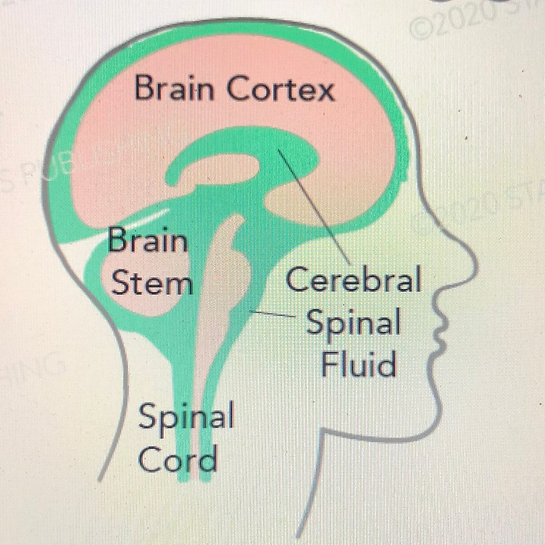
# CranioSacral Therapy: Listening to the Wisdom of the Body In today’s busy world, it’s easy to overlook the subtle messages our bodies send us. Stress, injury, emotional experiences, and the demands of everyday life can leave lasting impressions on our nervous system, often showing up as pain, tension, fatigue, or simply feeling out of balance. CranioSacral Therapy (CST) is a gentle, hands-on therapy that supports the body’s natural ability to heal. Using a light touch, I assess areas of restriction within the craniosacral system and help facilitate the release of tension that may be affecting the body as a whole. Rather than forcing change, CST works by encouraging the nervous system to return to a state of balance, allowing the body to do what it was designed to do—heal. One of the most remarkable aspects of CranioSacral Therapy is the relationship between the mind and the body. Our experiences—both physical and emotional—can become part of our body’s story. When we create a safe and supportive environment, the nervous system often begins to soften, unwind, and restore itself in ways that are unique to each individual. No two sessions are ever exactly alike because no two people have the same story. CranioSacral Therapy is a partnership between therapist and client. My role is to listen—to your body, to your concerns, and to your goals—while guiding each session with knowledge, experience, and compassionate care. Your role is simply to be present and communicate what you’re noticing along the way. There is no right or wrong feedback. Open communication builds trust and helps us tailor each session to your comfort and your body’s needs. Whether you’re seeking relief from chronic pain, headaches, stress, recovery from injury, or simply looking to reconnect with yourself, CranioSacral Therapy offers a gentle path toward greater balance and well-being. At MAJEC Therapy, I believe healing begins with feeling safe, heard, and supported. Every session is an opportunity to slow down, listen to your body, and discover what it has been asking for all along. If you’re curious about CranioSacral Therapy or wondering if it’s the right fit for you, I’d love to answer your questions and help you explore how this gentle, holistic approach can support your wellness journey.

The Most Important Voice in the Treatment Room is Yours
I was inspired to write this because I recently had a client that was not happy with our session. she did not tell me I heard from a third party. That experience stayed with me—not because every therapist expects every session to be perfect, but because it reinforced something I deeply believe: I can only respond to what I know. If I don’t know that something isn’t working for you, I lose the opportunity to adjust, to explain, to change course, or to better meet your needs in that moment. I understand that speaking up isn’t always easy. But your massage session is one place where your comfort, your experience, and your voice truly matter. I don’t see feedback as criticism; I see it as collaboration. Your honesty helps me become a better therapist, and it helps create the kind of treatment you deserve. Consent isn’t a one-time event—it’s an ongoing conversation. When people schedule a massage, they often assume the therapist knows exactly what their body needs. Sometimes clients feel they shouldn’t interrupt. They worry about offending the therapist by asking for less pressure, more pressure, a different technique, or simply saying, “This doesn’t feel right.” I want you to know something important: Your voice is one of the most valuable parts of your treatment. At MAJEC Therapy, I believe massage is not something that is done to you—it is something we experience together. The best outcomes happen when there is trust, communication, curiosity, and collaboration. If something feels uncomfortable, I want to know. If the pressure isn’t right, please tell me. If you’re cold, if you need another pillow, if you want more silence or more explanation, your feedback matters. If your body isn’t responding the way either of us expected, that’s important information—not a failure. One of the greatest lessons I learned while studying CranioSacral Therapy through the Upledger Institute was that our role is not to force change. We are encouraged to approach each session with curiosity rather than certainty, and with neutrality rather than an agenda. Instead of trying to “fix” the body, we learn to listen—to the subtle rhythms of the body, to the tissues, and most importantly, to the person on the table. The body has an incredible capacity for adaptation and healing. My job is not to overpower that wisdom, but to create an environment where your body can communicate what it needs. That philosophy begins before my hands ever touch you. I believe every treatment should begin with permission. Not simply a signed consent form, but a genuine moment of respect. Before placing my hands on another person, I remind myself that I have been invited into a space of vulnerability and trust. That invitation should never be taken for granted. Massage therapy is a conversation. Sometimes that conversation happens with words. Sometimes it happens through touch. Sometimes it happens through stillness. And sometimes the most important thing we discover is that today’s session needs to be different than what either of us expected. I don’t measure success by whether I can “fix” every ache or eliminate every symptom in one visit. I measure success by whether you leave feeling heard. Whether your nervous system feels safer. Whether your body feels respected. Whether we’ve learned something together that moves you toward better health. Healing is rarely a straight line, and it is never a one-sided process. The relationship between client and therapist is built on mutual trust. My responsibility is to listen with my hands, my eyes, and my experience. Your responsibility is to listen to your own body and feel comfortable enough to share what you’re experiencing. When those two forms of listening come together, something meaningful happens. That is where truly therapeutic massage begins. “Your body is not a problem to be solved. It is a story waiting to be heard. My role is simply to listen alongside you.”
Oil of Oregano
Tiny soft gels. Big attitude. 🌿 Oil of oregano from Micro Ingredients isn’t here to play—it’s bold, powerful, and ready to back up your wellness routine. Just 2 capsules 2x a day and you’re giving your body that extra edge it deserves. Strong, simple, no nonsense. personal note: take for 4-6 weeks to see results, then take some time off and bring back one gelcap dosing for maintenance. product works fabulously to restore gut health. After 4-6 weeks set gut with new probiotic base and feel the love

Clinical Implications of the Triad of Compression
Clinical implications of the Triad of Compression ‘Addressing the relationship between the sacrum, occiput and sphenoid Recently, our community has started moving away from the traditional medical model toward more of a biopsychosocial model of health, writes international lecturer Erin Riley. She says this shift has emerged from the complexity of the illness/wellness dilemma. Manual therapists are at the change, shifting away from a treatment model where the site of the symptoms is the sole focus and are instead looking toward how the entire system is functioning. Manual therapists are looking for root causes of dysfunction, rather than simply treating symptoms. It is no longer plausible to consider the cause of low back painto be localised to the lumbar spine or the cause of neck pain to be localised to the cervical spine. However, we still perhaps have a way to go before we become truly holistic in an approach to bodymindspirit health. CranioSacral Therapy is one of these truly holistic approaches. It considers not only the health and function of our entire interconnected physical body, it considers the mental, emotional and spiritual health of the person. One such global perspective is the consideration and treatment of the relationship between the sacrum, occiput and sphenoid. Dysfunction of these areas and more importantly the reciprocal relationship connecting these dysfunctions has a widespread impact on not just the functioning of the musculoskeletal system, but has a cascade effect on several bodily systems as well as impacting the mental and emotional wellbeing of the client. In CranioSacral Therapy, we call this the Triad of Compression/Depression. What is the Triad of Compression/Depression? The Triad of Compression/Depression was a term coined by American osteopath, Dr John E Upledger, to describe the relationship and impact of compression of three bones simultaneously, the sacrum, occiput and sphenoid. Dr Upledger commonly found that when one of these bones was compressed, it was likely that the other two would also be compressed.1,2,3 Anatomy The relationship between these three bones is not simply an osseous one. The sacrum, occiput and sphenoid are connected through soft tissues and particularly the dural tube and intracranial membrane system. When we begin to understand the intimate and multi- dimensional connections between these structures we can start to conceptualise a framework for comprehending dysfunctions that were previously difficult to solve. Starting at the bottom of this triad, we have the sacrum. The sacrum is a triangle shaped bone that forms the keystone of the pelvis. It articulates with the fifth lumbar vertebrae as well as each ilium at the sacroiliac joint. Normal positioning and functioning of the sacrum is important for both stability and movement. The impact of the Triad of Compression doesn’t end at the level of structural dysfunction. The impact on the central nervous system of a fully compressed sacrum, occiput and sphenoid is that of a ‘pressure cooker’ type situation. Moving further up the system, we come to the occiput. The occiput is located at the base of the skull. Its condyles (just anterior to the foramen magnum) articulate with the superior facet joints of the first cervical vertebrae. Functionally, we need to consider the relationship of the occiput to both the first (C1) and second (C2) cervical vertebrae. The structure of the occipitoatlantal (C0-C1) joint allows for 50 per cent of the cervical spines flexion/extension motion. The relationship between C1 and C2 allows for 50% of the cervical spines rotational movement capacity. 5,6 Also of anatomical importance in the craniocervical region, and a more recent anatomical structure to be written about is the myodural bridge. It has been found that there is a direct relationship between the rectus capitus posterior major and rectus capitus posterior minor musculature and the posterior dural tube via a connective tissue connection called the myodural bridge. This has implications not only in broadcasting tensions up and down the dural tube, but also in broadcasting tension or strain patterns up into the intracranial dura mater. The myodural bridge not only has implications for cervicocephalic pain7,8 but also in sensorimotor control, stabilisation of the spinal cord and monitoring of dural tube tension.8 The third bone in the Triad of Compression is the sphenoid. The sphenoid sits at the back of the orbit of the eye and articulates with many bones of the cranium. The major articulation of importance is between the occiput and the sphenoid at the sphenobasilar junction. Historically, the sphenobasilar junction was considered a symphysis and therefore subject to shearing type motions. Dr Upledger found that the structure of this joint was a synchondrosis and therefore more likely to be impacted on by soft tissue tensions and strain patterns within the intracranial and spinal dura mater. The dura mater is a tough, inelastic, waterproof membrane that lines the underside of the cranial vault and also splits into a second layer that forms the intracranial membrane system. The intracranial membrane system has attachments to the bones of the cranial vault and therefore has a significant influence on compressive and positional dysfunctions of the cranial bones. The dura mater also exits the cranium and forms the spinal dural tube, a mobile sleeve of fascial tissue surrounding the spinal cord. Aside from a strong attachment at the foramen magnum and the second sacral segment and a minor attachment to the posterior bodies of the C2 and/or C3 cervical vertebrae, the dural tube should run relatively unimpeded through the vertebral column.1,4 The dural tube is comprised of three layers of membranes (these layers also extend up into the cranium and intracranial membrane system). It is important for spinal mobility that these layers are able to slide, glide and move independent of each other. This is not only important for mobility but so as to prevent dysfunction being broadcast throughout the system. The dural tube along with the anterior and posterior longitudinal ligaments connect the sacrum and the occiput. Functional relationship It is because of the dural connection that the relationship between the sacrum, occiput and sphenoid is

Clinical Implications of the Triad of Compression
Clinical implications of the Triad of Compression ‘Addressing the relationship between the sacrum, occiput and sphenoid Recently, our community has started moving away from the traditional medical model toward more of a biopsychosocial model of health, writes international lecturer Erin Riley. She says this shift has emerged from the complexity of the illness/wellness dilemma. Manual therapists are at the change, shifting away from a treatment model where the site of the symptoms is the sole focus and are instead looking toward how the entire system is functioning. Manual therapists are looking for root causes of dysfunction, rather than simply treating symptoms. It is no longer plausible to consider the cause of low back painto be localised to the lumbar spine or the cause of neck pain to be localised to the cervical spine. However, we still perhaps have a way to go before we become truly holistic in an approach to bodymindspirit health. CranioSacral Therapy is one of these truly holistic approaches. It considers not only the health and function of our entire interconnected physical body, it considers the mental, emotional and spiritual health of the person. One such global perspective is the consideration and treatment of the relationship between the sacrum, occiput and sphenoid. Dysfunction of these areas and more importantly the reciprocal relationship connecting these dysfunctions has a widespread impact on not just the functioning of the musculoskeletal system, but has a cascade effect on several bodily systems as well as impacting the mental and emotional wellbeing of the client. In CranioSacral Therapy, we call this the Triad of Compression/Depression. What is the Triad of Compression/Depression? The Triad of Compression/Depression was a term coined by American osteopath, Dr John E Upledger, to describe the relationship and impact of compression of three bones simultaneously, the sacrum, occiput and sphenoid. Dr Upledger commonly found that when one of these bones was compressed, it was likely that the other two would also be compressed.1,2,3 Anatomy The relationship between these three bones is not simply an osseous one. The sacrum, occiput and sphenoid are connected through soft tissues and particularly the dural tube and intracranial membrane system. When we begin to understand the intimate and multi- dimensional connections between these structures we can start to conceptualise a framework for comprehending dysfunctions that were previously difficult to solve. Starting at the bottom of this triad, we have the sacrum. The sacrum is a triangle shaped bone that forms the keystone of the pelvis. It articulates with the fifth lumbar vertebrae as well as each ilium at the sacroiliac joint. Normal positioning and functioning of the sacrum is important for both stability and movement. The impact of the Triad of Compression doesn’t end at the level of structural dysfunction. The impact on the central nervous system of a fully compressed sacrum, occiput and sphenoid is that of a ‘pressure cooker’ type situation. Moving further up the system, we come to the occiput. The occiput is located at the base of the skull. Its condyles (just anterior to the foramen magnum) articulate with the superior facet joints of the first cervical vertebrae. Functionally, we need to consider the relationship of the occiput to both the first (C1) and second (C2) cervical vertebrae. The structure of the occipitoatlantal (C0-C1) joint allows for 50 per cent of the cervical spines flexion/extension motion. The relationship between C1 and C2 allows for 50% of the cervical spines rotational movement capacity. 5,6 Also of anatomical importance in the craniocervical region, and a more recent anatomical structure to be written about is the myodural bridge. It has been found that there is a direct relationship between the rectus capitus posterior major and rectus capitus posterior minor musculature and the posterior dural tube via a connective tissue connection called the myodural bridge. This has implications not only in broadcasting tensions up and down the dural tube, but also in broadcasting tension or strain patterns up into the intracranial dura mater. The myodural bridge not only has implications for cervicocephalic pain7,8 but also in sensorimotor control, stabilisation of the spinal cord and monitoring of dural tube tension.8 The third bone in the Triad of Compression is the sphenoid. The sphenoid sits at the back of the orbit of the eye and articulates with many bones of the cranium. The major articulation of importance is between the occiput and the sphenoid at the sphenobasilar junction. Historically, the sphenobasilar junction was considered a symphysis and therefore subject to shearing type motions. Dr Upledger found that the structure of this joint was a synchondrosis and therefore more likely to be impacted on by soft tissue tensions and strain patterns within the intracranial and spinal dura mater. The dura mater is a tough, inelastic, waterproof membrane that lines the underside of the cranial vault and also splits into a second layer that forms the intracranial membrane system. The intracranial membrane system has attachments to the bones of the cranial vault and therefore has a significant influence on compressive and positional dysfunctions of the cranial bones. The dura mater also exits the cranium and forms the spinal dural tube, a mobile sleeve of fascial tissue surrounding the spinal cord. Aside from a strong attachment at the foramen magnum and the second sacral segment and a minor attachment to the posterior bodies of the C2 and/or C3 cervical vertebrae, the dural tube should run relatively unimpeded through the vertebral column.1,4 The dural tube is comprised of three layers of membranes (these layers also extend up into the cranium and intracranial membrane system). It is important for spinal mobility that these layers are able to slide, glide and move independent of each other. This is not only important for mobility but so as to prevent dysfunction being broadcast throughout the system. The dural tube along with the anterior and posterior longitudinal ligaments connect the sacrum and the occiput. Functional relationship It is because of the dural connection that the relationship between the sacrum, occiput and sphenoid is