Author name: Benjamin

Uncategorized

Oil of Oregano

Tiny soft gels. Big attitude. 🌿 Oil of oregano from Micro Ingredients isn’t here to play—it’s bold, powerful, and ready to back up your wellness routine. Just 2 capsules 2x a day  and you’re giving your body that extra edge it deserves. Strong, simple, no nonsense. personal note: take for 4-6 weeks to see results, then take some time off and bring back one gelcap dosing for maintenance. product works fabulously to restore gut health.  After 4-6 weeks set gut with new probiotic base and feel the love  

Uncategorized

Clinical Implications of the Triad of Compression

Clinical implications of the Triad of Compression ‘Addressing the relationship between the sacrum, occiput and sphenoid Recently, our community has started moving away from the traditional medical model toward more of a biopsychosocial model of health, writes international lecturer Erin Riley. She says this shift has emerged from the complexity of the illness/wellness dilemma. Manual therapists are at the change, shifting away from a treatment model where the site of the symptoms is the sole focus and are instead looking toward how the entire system is functioning. Manual therapists are looking for root causes of dysfunction, rather than simply treating symptoms. It is no longer plausible to consider the cause of low back painto be localised to the lumbar spine or the cause of neck pain to be localised to the cervical spine. However, we still perhaps have a way to go before we become truly holistic in an approach to bodymindspirit health. CranioSacral Therapy is one of these truly holistic approaches. It considers not only the health and function of our entire interconnected physical body, it considers the mental, emotional and spiritual health of the person. One such global perspective is the consideration and treatment of the relationship between the sacrum, occiput and sphenoid.  Dysfunction of these areas and more importantly the reciprocal relationship connecting these dysfunctions has a widespread impact on not just the functioning of the musculoskeletal system, but has a cascade effect on several bodily systems as well as impacting the mental and emotional wellbeing of the client. In CranioSacral Therapy, we call this the Triad of Compression/Depression.   What is the Triad of Compression/Depression?   The Triad of Compression/Depression was a term coined by American osteopath, Dr John E Upledger, to describe the relationship and impact of compression of three bones simultaneously, the sacrum, occiput and sphenoid. Dr Upledger commonly found that when one of these bones was compressed, it was likely that the other two would also be compressed.1,2,3 Anatomy The relationship between these three bones is not simply an osseous one. The sacrum, occiput and sphenoid are connected through soft tissues and particularly the dural tube and intracranial membrane system. When we begin to understand the intimate and multi- dimensional connections between these structures we can start to conceptualise a framework for comprehending dysfunctions that were previously difficult to solve.  Starting at the bottom of this triad, we have the sacrum. The sacrum is a triangle shaped bone that forms the keystone of the pelvis. It articulates with the fifth lumbar vertebrae as well as each ilium at the sacroiliac joint. Normal positioning and functioning of the sacrum is important for both stability and movement. The impact of the Triad of Compression doesn’t end at the level of structural dysfunction. The impact on the central nervous system of a fully compressed sacrum, occiput and sphenoid is that of a ‘pressure cooker’ type situation. Moving further up the system, we come to the occiput. The occiput is located at the base of the skull. Its condyles (just anterior to the foramen magnum) articulate with the superior facet joints of the first cervical vertebrae.  Functionally, we need to consider the relationship of the occiput to both the first (C1) and second (C2) cervical vertebrae. The structure of the occipitoatlantal (C0-C1) joint allows for 50 per cent of the cervical spines flexion/extension motion. The relationship between C1 and C2 allows for 50% of the cervical spines rotational movement capacity. 5,6 Also of anatomical importance in the craniocervical region, and a more recent anatomical structure to be written about is the myodural bridge. It has been found that there is a direct relationship between the rectus capitus posterior major and rectus capitus posterior minor musculature and the posterior dural tube via a connective tissue connection called the myodural bridge. This has implications not only in broadcasting tensions up and down the dural tube, but also in broadcasting tension or strain patterns up into the intracranial dura mater. The myodural bridge not only has implications for cervicocephalic pain7,8 but also in sensorimotor control, stabilisation of the spinal cord and monitoring of dural tube tension.8 The third bone in the Triad of Compression is the sphenoid. The sphenoid sits at the back of the orbit of the eye and articulates with many bones of the cranium. The major articulation of importance is between the occiput and the sphenoid at the sphenobasilar junction. Historically, the sphenobasilar junction was considered a symphysis and therefore subject to shearing type motions. Dr Upledger found that the structure of this joint was a synchondrosis and therefore more likely to be impacted on by soft tissue tensions and strain patterns within the intracranial and spinal dura mater. The dura mater is a tough, inelastic, waterproof membrane that lines the underside of the cranial vault and also splits into a second layer that forms the intracranial membrane system. The intracranial membrane system has attachments to the bones of the cranial vault and therefore has a significant influence on compressive and positional dysfunctions of the cranial bones. The dura mater also exits the cranium and forms the spinal dural tube, a mobile sleeve of fascial tissue surrounding the spinal cord. Aside from a strong attachment at the foramen magnum and the second sacral segment and a minor attachment to the posterior bodies of the C2 and/or C3 cervical vertebrae, the dural tube should run relatively unimpeded through the vertebral column.1,4 The dural tube is comprised of three layers of membranes (these layers also extend up into the cranium and intracranial membrane system). It is important for spinal mobility that these layers are able to slide, glide and move independent of each other. This is not only important for mobility but so as to prevent dysfunction being broadcast throughout the system. The dural tube along with the anterior and posterior longitudinal ligaments connect the sacrum and the occiput. Functional relationship It is because of the dural connection that the relationship between the sacrum, occiput and sphenoid is


Uncategorized

Clinical Implications of the Triad of Compression

Clinical implications of the Triad of Compression ‘Addressing the relationship between the sacrum, occiput and sphenoid Recently, our community has started moving away from the traditional medical model toward more of a biopsychosocial model of health, writes international lecturer Erin Riley. She says this shift has emerged from the complexity of the illness/wellness dilemma. Manual therapists are at the change, shifting away from a treatment model where the site of the symptoms is the sole focus and are instead looking toward how the entire system is functioning. Manual therapists are looking for root causes of dysfunction, rather than simply treating symptoms. It is no longer plausible to consider the cause of low back painto be localised to the lumbar spine or the cause of neck pain to be localised to the cervical spine. However, we still perhaps have a way to go before we become truly holistic in an approach to bodymindspirit health. CranioSacral Therapy is one of these truly holistic approaches. It considers not only the health and function of our entire interconnected physical body, it considers the mental, emotional and spiritual health of the person. One such global perspective is the consideration and treatment of the relationship between the sacrum, occiput and sphenoid.  Dysfunction of these areas and more importantly the reciprocal relationship connecting these dysfunctions has a widespread impact on not just the functioning of the musculoskeletal system, but has a cascade effect on several bodily systems as well as impacting the mental and emotional wellbeing of the client. In CranioSacral Therapy, we call this the Triad of Compression/Depression.   What is the Triad of Compression/Depression?   The Triad of Compression/Depression was a term coined by American osteopath, Dr John E Upledger, to describe the relationship and impact of compression of three bones simultaneously, the sacrum, occiput and sphenoid. Dr Upledger commonly found that when one of these bones was compressed, it was likely that the other two would also be compressed.1,2,3 Anatomy The relationship between these three bones is not simply an osseous one. The sacrum, occiput and sphenoid are connected through soft tissues and particularly the dural tube and intracranial membrane system. When we begin to understand the intimate and multi- dimensional connections between these structures we can start to conceptualise a framework for comprehending dysfunctions that were previously difficult to solve.  Starting at the bottom of this triad, we have the sacrum. The sacrum is a triangle shaped bone that forms the keystone of the pelvis. It articulates with the fifth lumbar vertebrae as well as each ilium at the sacroiliac joint. Normal positioning and functioning of the sacrum is important for both stability and movement. The impact of the Triad of Compression doesn’t end at the level of structural dysfunction. The impact on the central nervous system of a fully compressed sacrum, occiput and sphenoid is that of a ‘pressure cooker’ type situation. Moving further up the system, we come to the occiput. The occiput is located at the base of the skull. Its condyles (just anterior to the foramen magnum) articulate with the superior facet joints of the first cervical vertebrae.  Functionally, we need to consider the relationship of the occiput to both the first (C1) and second (C2) cervical vertebrae. The structure of the occipitoatlantal (C0-C1) joint allows for 50 per cent of the cervical spines flexion/extension motion. The relationship between C1 and C2 allows for 50% of the cervical spines rotational movement capacity. 5,6 Also of anatomical importance in the craniocervical region, and a more recent anatomical structure to be written about is the myodural bridge. It has been found that there is a direct relationship between the rectus capitus posterior major and rectus capitus posterior minor musculature and the posterior dural tube via a connective tissue connection called the myodural bridge. This has implications not only in broadcasting tensions up and down the dural tube, but also in broadcasting tension or strain patterns up into the intracranial dura mater. The myodural bridge not only has implications for cervicocephalic pain7,8 but also in sensorimotor control, stabilisation of the spinal cord and monitoring of dural tube tension.8 The third bone in the Triad of Compression is the sphenoid. The sphenoid sits at the back of the orbit of the eye and articulates with many bones of the cranium. The major articulation of importance is between the occiput and the sphenoid at the sphenobasilar junction. Historically, the sphenobasilar junction was considered a symphysis and therefore subject to shearing type motions. Dr Upledger found that the structure of this joint was a synchondrosis and therefore more likely to be impacted on by soft tissue tensions and strain patterns within the intracranial and spinal dura mater. The dura mater is a tough, inelastic, waterproof membrane that lines the underside of the cranial vault and also splits into a second layer that forms the intracranial membrane system. The intracranial membrane system has attachments to the bones of the cranial vault and therefore has a significant influence on compressive and positional dysfunctions of the cranial bones. The dura mater also exits the cranium and forms the spinal dural tube, a mobile sleeve of fascial tissue surrounding the spinal cord. Aside from a strong attachment at the foramen magnum and the second sacral segment and a minor attachment to the posterior bodies of the C2 and/or C3 cervical vertebrae, the dural tube should run relatively unimpeded through the vertebral column.1,4 The dural tube is comprised of three layers of membranes (these layers also extend up into the cranium and intracranial membrane system). It is important for spinal mobility that these layers are able to slide, glide and move independent of each other. This is not only important for mobility but so as to prevent dysfunction being broadcast throughout the system. The dural tube along with the anterior and posterior longitudinal ligaments connect the sacrum and the occiput. Functional relationship It is because of the dural connection that the relationship between the sacrum, occiput and sphenoid is
Uncategorized

Pain isn’t the enemy—it’s a signal.

Pain isn’t the enemy—it’s a signal. It’s your body’s way of telling you something needs attention, something is out of balance, something matters. Ignoring it doesn’t make you stronger. Listening to it makes you wiser. Therapeutic and deep tissue massage help you respond to that signal—releasing tension, restoring movement, and supporting your body’s natural ability to heal. Take the time to listen. Your body will thank you.

Uncategorized

Therapeutic Sessions with Beth

Breaking the Stress Loop: Therapeutic Massage in Narragansett, RI   Are you stuck in a chronic stress loop? If your body feels tight and tense no matter how much you stretch, the root cause might not be physical tightness—it could be an overloaded nervous system.   At Pier Spa in Narragansett, RI, massage therapist Beth offers a comprehensive, customized Therapeutic Massage Session explicitly designed for deep physical release and a total nervous system reset. A 360-Degree Approach to Holistic Healing Beth’s signature therapeutic session combines advanced bodywork techniques with nature’s most potent healing botanical ingredients to target pain from every angle.   1. Advanced Bodywork Techniques Deep Tissue Massage: Safely targets and releases deep physical adhesions and chronic muscle knots. Craniosacral Therapy: Calms the overactive “fight-or-flight” response, gently resetting your nervous system.   2. Infused Topical Enhancements To maximize your physical recovery and mental relaxation,   Beth integrates a powerful synergy of Arnica and Frankincense into your session:   Arnica (The Natural Healer): Targets Delayed Onset Muscle Soreness (DOMS), reduces inflammation via natural compounds like helenalin, and stimulates circulation to clear swelling. Frankincense (The King of Oils): Provides a grounding aroma that reduces daily anxiety, improves mental clarity, and supports skin cell regeneration when applied topically.   Schedule Your Nervous System Reset Today Do not let old physical stress patterns dictate how you feel. Experience a customized session that combines expert massage therapy with targeted holistic recovery. majectherapy.com anytime is a great time for massageMassage After a Day at Narragansett BeachStay Healthy During Your Rhode Island VacationDeep Tissue Massage for GolfersVacation Recovery Massage

Uncategorized

Discover Deep Tissue Massage w/Beth

Discover Deep Tissue Massage w/ Beth Lindgren LMT  Think of it as unsticking the layers of your body. When muscles get tight or injured, they can literally get glued together by “knots” (adhesions), which makes movement feel stiff and heavy. Deep tissue works by: Breaking up the “glue”: Deep pressure physically pulls those stuck fibers apart so they can slide smoothly again. Melting the stiffness: Firm, slow strokes warm up the connective tissue, making it more like a liquid and less like a solid. Improving “plumbing”: By clearing out those tight spots, blood can actually reach the muscle to flush out waste and bring in fresh oxygen. Hitting the reset button: It tells your nervous system to stop holding so much tension, which helps fix bad posture habits. Consistency is Key: Research indicates that while single sessions provide acute relief, long-term therapy (1–2+ years of regular sessions) correlates with significantly greater gains in permanent flexibility. Post-Session Care: Because deep tissue can release metabolic waste and cause minor temporary inflammation, Staying Hydrated and engaging in gentle movement (like walking) within 24 hours helps flush the system and maintain the new range of motion. in short: Deep tissue work is a practice of patience and precision—slow and steady wins the race. Rather than forcing your way through, you sink into the tissue layer by layer until you meet resistance at an adhesion. Once you hit that “knot,” you wait for the tissue to release and then simply follow the natural opening it creates. Because this work reaches very sensitive areas, the focus stays on a deep, rhythmic breath to help the nervous system let go rather than bracing against the pressure.

Uncategorized

What is a Migraine and how can Massage Help?

Relief is right here in South County. Relief is right here in South County.   Migraines are a complex neurological condition, not just a simple headache. While massage therapy isn’t a cure, regular bodywork at Pier Spa in Narragansett, RI is a powerful tool to manage your local environmental triggers, reduce deep muscle stress, and decrease both the frequency and intensity of your chronic episodes.Here is how our specialized massage therapists customize your therapeutic bodywork sessions to support your healing journey:   Active Migraine Relief: We focus entirely on immediate comfort. If you are experiencing an active episode, our treatment includes dimmed room lighting, gentle physical pressure, and calming craniosacral therapy designed to soothe an overstimulated central nervous system and ease the trigeminal nerve.   Between-Episode Prevention: We address the root of the pain pattern. Our targeted trigger point therapy, myofascial release, and upper back work release the upper trapezius, jaw, and suboccipital muscles that frequently trigger severe tension.   Consistent Wellness Maintenance: Every body is different. We typically recommend a preventative session every 20 to 40 days to keep physical tension at bay, improve sleep quality, and maintain your nervous system health.Healing is a personal journey, and our professional staff is here to partner with you and guide you toward lasting relief right here by the beautiful Narragansett Shores.   Ready to invest in your well-being?   goto service menu to view our full menu of custom wellness treatments and choose Therapeutic Massage add a note to the appointment referring to Migraine Relief.   Gratefully serving clients throughout the South Kingstown, Wakefield & Narragansett area.

Uncategorized

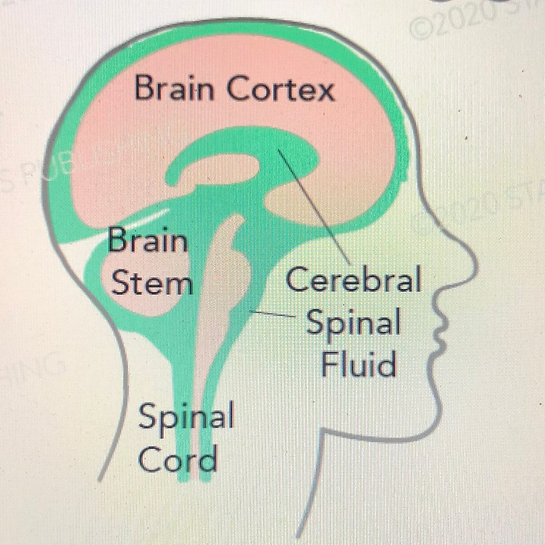
Understanding the Glymphatic System

Your brain doesn’t shut down when you sleep — it washes itself clean. Meet the glymphatic system, a hidden network that uses fluid to flush out toxins, metabolic waste, and proteins from your brain. It works mostly at night, which is one of the big reasons quality sleep is tied to memory, mood, and long-term brain health. Click the link below for a full video on the Glymphatic System.     https://www.facebook.com/share/p/1KQuTycZz7/

Uncategorized

The CranioSacral Rhythm: From Clinical Observation to Pacemaker Theory

Rhythms form the foundation of biological life. From the steady beat of the heart to the natural cycles of respiration and sleep, these repeating patterns help regulate communication and balance throughout the body. CranioSacral Therapy (CST) focuses on one such rhythm—the CranioSacral Rhythm (CSR)—a subtle physiological motion distinct from both cardiac and respiratory cycles. For more than four decades, CST practitioners have palpated this rhythm as a guide to evaluate the body’s health and its ability to self-correct through gentle touch. Earlier research tools lacked the sensitivity to measure the small micromovements associated with the CSR, leading some to question whether this rhythm existed as a distinct physiological phenomenon. Today, modern technology has confirmed the presence of a measurable, low-frequency rhythm averaging 4–8 cycles per minute— separate from heart rate and breathing [1]. This discovery provides scientific support for what Dr. John E. Upledger and countless CST practitioners have observed through palpation. Dr. John E. Upledger and the Pressurestat Model The modern understanding of the CranioSacral Rhythm began with Dr. John E. Upledger. As we have all heard, during a surgical procedure in the 1970s, he noticed rhythmic movements of the spinal dura mater that could not be attributed to the patient’s breathing or heartbeat. Intrigued by this observation, he began years of study into the phenomenon and its potential physiological origins. Dr. Upledger proposed what became known as the Pressurestat Model to explain these rhythmic motions [5]. He theorized that cycles of cerebrospinal fluid (CSF) production and reabsorption created fluctuations in intracranial pressure, producing gentle expansion and contraction of the cranial structures. He further suggested that these rhythmic changes could be palpated throughout the body via the dural membranes and connective tissue system. Importantly, Dr. Upledger emphasized that his model was not meant to be final. He recognized that as research evolved, new scientific discoveries would provide greater clarity about the underlying mechanisms of the CranioSacral Rhythm. His visionary openness to ongoing investigation laid the groundwork for future collaboration between clinical practice and science. That willingness to evolve theory remains central to the Upledger Institute International’s philosophy today. Modern Research on the CranioSacral Rhythm In recent years, scientific studies have confirmed that the CranioSacral Rhythm is indeed a measurable physiological rhythm. A 2021 study by Rasmussen and Meulengracht identified a low-frequency oscillation distinct from both cardiac and respiratory activity [1]. Using highly sensitive instruments, they recorded rhythmic cranial motions averaging approximately 6 cycles per minute (range 4.25–7.07 cpm). The waveform pattern—consisting of flexion, a neutral zone, and extension—mirrored the phases described by Dr. Upledger and CST practitioners. The amplitude of this motion, around 58 micrometers, demonstrated that skilled palpation can reliably detect this subtle rhythm. Earlier research by Nelson, Sergueef, and Glonek also detected rhythmic oscillations in cerebral blood flow near this same frequency using laser-Doppler flowmetry [2,3,4]. Together, these findings confirm that the rhythm practitioners feel is not imaginary or coincidental—it reflects a genuine physiological process. 1 From Pressurestat Model to Pacemaker Theory Building on Dr. Upledger’s foundational insights, modern neuroscience has expanded our understanding of rhythmic activity in the body. The Pacemaker Theory, proposed by Thomas Rasmussen, PhD, MSc, CST-D, Upledger Institute International’s Director of Research, presents a contemporary explanation for the CranioSacral Rhythm. It aligns with Dr. Upledger’s vision by integrating clinical experience with current knowledge of neurophysiology. The Pacemaker Theory suggests that the CSR arises from specialized networks of oscillating neurons in the brainstem near the fourth ventricle, much like those that create cardiac and respiratory rhythms [6–8]. These neurons act as biological pacemakers, generating rhythmic electrical impulses that are independent of respiration and heart rate. Their output influences vascular tone and fluid dynamics through a process known as neurogenic vasomotion—the rhythmic contraction and relaxation of blood vessel walls driven by neural activity [11,12]. These neural rhythms are transmitted throughout the body via the Autonomic Nervous System (ANS) and coordinated by the Central Autonomic Network (CAN), which links the brainstem, hypothalamus, and higher cortical regions [11]. The CAN helps synchronize activity across multiple body systems, maintaining homeostasis and dynamic balance. Within this framework, the CSR can be seen as one of the body’s neurogenic rhythms—an expression of the brainstem’s pacemaking activity conveyed through vascular and connective tissue pathways. This understanding expands upon Dr. Upledger’s Pressurestat Model by offering a new perspective on cause and effect. The Pressurestat Model proposed that cerebrospinal fluid (CSF) production and reabsorption generated the rhythmic motion perceived in the CranioSacral System. At the time, this explanation reflected the scientific knowledge and measurement technology then available—direct observation of neural rhythmicity was not yet possible. Advances in neuroscience and imaging have since revealed that rhythmic neural activity within the brainstem can act as a biological pacemaker, producing oscillations that drive CSF movement rather than being driven by it. In this way, the Pacemaker Theory builds on Dr. Upledger’s foundational insight, providing a contemporary neurophysiological framework for the rhythm he so carefully described. 2 The Body’s Built-In Rhythms Human physiology depends on internal pacemakers that regulate rhythmic processes such as breathing, heartbeat, and digestion. These pacemakers are clusters of neurons that produce self-sustaining rhythms even without external stimuli [6–9]. Each rhythm maintains a baseline frequency yet remains flexible to respond to changing demands. When disrupted, these rhythms can affect multiple body systems and overall health [10]. The CranioSacral Rhythm may function similarly—as a low-frequency neurogenic rhythm contributing to homeostasis and balance. Variations in its quality or amplitude may reflect shifts in autonomic tone, stress responses, or tissue restriction. By gently engaging with this rhythm, CST practitioners work in concert with one of the body’s intrinsic regulatory systems. Integrating Science and Practice For Upledger alumni, the evolution from the Pressurestat Model to the Pacemaker Theory represents the continuity of Dr. Upledger’s vision: that future research would refine and expand understanding of the CranioSacral System. The emerging evidence for brainstem pacemakers and neurogenic vasomotion provides a plausible scientific context for what practitioners have long felt through their hands. Dr. Upledger taught that only about 5

Uncategorized

Helping the Brain Drain: How CranioSacral Therapy Aids ADD/ADHD By John Upledger (DO, OMM), Tad Wanveer (LMT, CST-D),

Cranio Sacral Therapy can have a profoundly positive effect on brain and spinal cord function. It has been used successfully in the treatment of attention deficit disorder (ADD) and attention deficit hyperactivity disorder (ADHD) since 1975. Our clinical experience suggests that structural restrictions in the body, especially in the bones and membrane layers surrounding the brain and spinal cord, may be the primary factor in a significant number of such cases.  These restrictions can interfere with the normal movement of fluids and vital nutrients into and out of the brain, which enable it to function properly. In a gentle manner, CranioSacral Therapy can help release restrictions to naturally enhance brain function, decrease levels of ADD and ADHD, and in many cases, alleviate the disorders altogether. Fluid Movement Is Essential to Optimal Brain Function For each task a person undertakes, multiple sites and integrated pathways within the brain are required to operate in harmony for normal function to occur. Often, in cases of ADD and ADHD, some of these areas actually are performing at abnormally high (hyperactive) and/or low (hypoactive) levels. What could cause such a dysfunction? It might well be a lack of fluids moving within the brain tissue. It’s essential for fluids to move in an unrestricted manner throughout the brain for it to perform optimally. Fluids (blood and cerebrospinal fluid) transport the vital and essential elements required by the cells, while also removing harmful waste products. When the delicate cells are unable to receive what they need, or they are unable to live in an environment free of toxic waste products, dysfunction may occur. Abnormal Strain Upon Openings and Vessels Can Compromise Normal Fluid Flow Traveling through openings in the base of the skull are vessels that supply blood to the brain, and vessels that drain blood and cerebrospinal fluid from the brain. Approximately 85 percent of this drainage occurs through two vessels that pass through two openings (jugular foramina) and become the jugular veins. Sometimes stressful physical events such as the birth process, trauma or whiplash can cause the base of the skull to jam forward on the top segment of the spine. When this occurs, it places strain on the bones at the base of the skull and the membrane layers within the skull, especially in the area that forms the fluid-drainage openings. The neck muscles also chronically contract to prevent further jamming. This often will maintain the compromised positions of bone and membrane, even for a lifetime. What happens when such adverse strain patterns are placed on the jugular foramina and the jugular veins? Abnormal vein pressure can occur, which decreases drainage and causes fluid back-pressure to build up in the brain. Such pressure can lead to cell congestion, intracranial toxicity, abnormal pressure on cells and diminished blood flow to the brain. Stress such as this placed on the brain cells may cause them to react by becoming hyperactive in response to the strain, or hypoactive due to the injurious condition; or the same cell or cell groups can be hyperactive at some times and hypoactive at other times. Any of these responses can lead to a myriad of conditions, such as headaches, motor planning issues, speech issues, and one or more of the principal characteristics of ADD and ADHD: inattention, impulsivity and hyperactivity. CranioSacral Therapy Relieves Strain Patterns and Enhances Fluid Flow CranioSacral Therapy is a light-touch manual therapy that addresses restrictions in the craniosacral system, which consists of the membranes and fluid that surround and protect the brain and spinal cord. This vital physiological system extends from the bones of the skull, face and mouth, which make up the cranium, down to the sacrum, This gentle, hands-on method of care is highly effective in relieving adverse strain patterns and restrictions, thereby enhancing the movement of fluid throughout the brain, spinal cord and the body as a whole. The stronger fluid motion helps brain cells receive normal levels of essential nutrients so they can function efficiently and in synchrony with other cells. It also creates a brain environment that is constantly flushed of waste products and toxic irritants. When the stress of compromised fluid flow is relieved, the areas of the brain that have been overactive and/or underactive results often are a central nervous system of greater balance and mobility, and make the biomechanical corrections necessary to allow the brain to function at its best, CranioSacral Therapy can help ease ADD or ADHD that can cause great difficulty at any age. majectherapy.com gratefully serving the Narragansett, Wakefield, & Charlestown areas.    

Scroll to Top