Uncategorized

Uncategorized

What is a Migraine and how can Massage Help?

a Migraine is more than just a headache, it is a neurological condition that can cause throbbing or pulsing head pain sensitivity to light nausea visual changes (aura) neck and shoulder tension fatigue before and after an episode. Folks may experience warning signs, such as: mood changes, neck stiffness or food cravings before a migraine begins.   How Can Massage Help? *Massage Therapy or Therapeutic Bodywork does not cure migraines.  but  Can certainly help manage triggers and reduce frequency and intensity. Massage may help by: reducing neck and shoulder muscle tension improving blood flow supporting relaxation to the nervous system (craniosacral therapy) decreasing stress hormones improving sleep quality enhancing postural and body awarness Tension in the upper trapezius, sub occipital and jaw muscles often contribute to migraine patterns.   What to expect during a Massage Session.   If you are experiencing an active Migraine lighting will be dimmed pressure will be light and gentle focus will be calming techniques trigeminal nerve arcing/relaxation turning down an overactive /over stimulated central nervous system. Between Migraine Sessions treatment might include: trigger point therapy myofascial release techniques neck and shoulder work craniaosacral techniques to ease tension through out the trigeminal nerve, release jaw tension & sphenoid and dural tensions.   How often do I attend sessions?   For Maintenance…. every 20 -30 (30-40)days depending on how the body responds to the therapy. Your treatment plan will be created to your needs.  Massage Therapy is customized to the individual, there is no “one size fits all” here. There is however the commitment.  Healing is your journey.  Be present.  Make that mind body connections. Your Massage Therapist is just a guide.  Find one that you connect with, that challenges you and can speak a language you understand or want to understand.

Uncategorized

Understanding the Glymphatic System

Your brain doesn’t shut down when you sleep — it washes itself clean. Meet the glymphatic system, a hidden network that uses fluid to flush out toxins, metabolic waste, and proteins from your brain. It works mostly at night, which is one of the big reasons quality sleep is tied to memory, mood, and long-term brain health. Click the link below for a full video on the Glymphatic System.     https://www.facebook.com/share/p/1KQuTycZz7/

Uncategorized

The CranioSacral Rhythm: From Clinical Observation to Pacemaker Theory

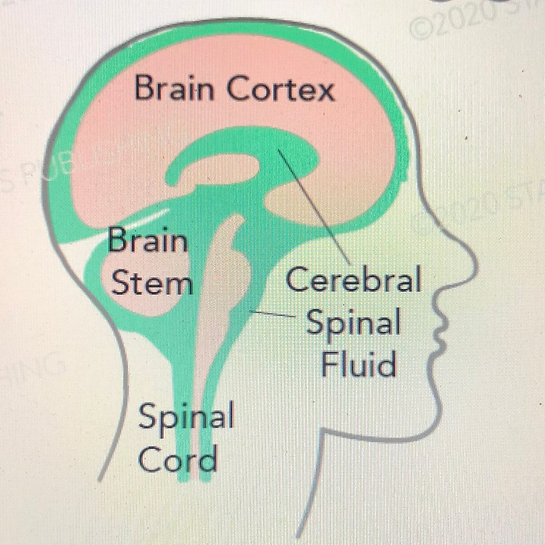
Rhythms form the foundation of biological life. From the steady beat of the heart to the natural cycles of respiration and sleep, these repeating patterns help regulate communication and balance throughout the body. CranioSacral Therapy (CST) focuses on one such rhythm—the CranioSacral Rhythm (CSR)—a subtle physiological motion distinct from both cardiac and respiratory cycles. For more than four decades, CST practitioners have palpated this rhythm as a guide to evaluate the body’s health and its ability to self-correct through gentle touch. Earlier research tools lacked the sensitivity to measure the small micromovements associated with the CSR, leading some to question whether this rhythm existed as a distinct physiological phenomenon. Today, modern technology has confirmed the presence of a measurable, low-frequency rhythm averaging 4–8 cycles per minute— separate from heart rate and breathing [1]. This discovery provides scientific support for what Dr. John E. Upledger and countless CST practitioners have observed through palpation. Dr. John E. Upledger and the Pressurestat Model The modern understanding of the CranioSacral Rhythm began with Dr. John E. Upledger. As we have all heard, during a surgical procedure in the 1970s, he noticed rhythmic movements of the spinal dura mater that could not be attributed to the patient’s breathing or heartbeat. Intrigued by this observation, he began years of study into the phenomenon and its potential physiological origins. Dr. Upledger proposed what became known as the Pressurestat Model to explain these rhythmic motions [5]. He theorized that cycles of cerebrospinal fluid (CSF) production and reabsorption created fluctuations in intracranial pressure, producing gentle expansion and contraction of the cranial structures. He further suggested that these rhythmic changes could be palpated throughout the body via the dural membranes and connective tissue system. Importantly, Dr. Upledger emphasized that his model was not meant to be final. He recognized that as research evolved, new scientific discoveries would provide greater clarity about the underlying mechanisms of the CranioSacral Rhythm. His visionary openness to ongoing investigation laid the groundwork for future collaboration between clinical practice and science. That willingness to evolve theory remains central to the Upledger Institute International’s philosophy today. Modern Research on the CranioSacral Rhythm In recent years, scientific studies have confirmed that the CranioSacral Rhythm is indeed a measurable physiological rhythm. A 2021 study by Rasmussen and Meulengracht identified a low-frequency oscillation distinct from both cardiac and respiratory activity [1]. Using highly sensitive instruments, they recorded rhythmic cranial motions averaging approximately 6 cycles per minute (range 4.25–7.07 cpm). The waveform pattern—consisting of flexion, a neutral zone, and extension—mirrored the phases described by Dr. Upledger and CST practitioners. The amplitude of this motion, around 58 micrometers, demonstrated that skilled palpation can reliably detect this subtle rhythm. Earlier research by Nelson, Sergueef, and Glonek also detected rhythmic oscillations in cerebral blood flow near this same frequency using laser-Doppler flowmetry [2,3,4]. Together, these findings confirm that the rhythm practitioners feel is not imaginary or coincidental—it reflects a genuine physiological process. 1 From Pressurestat Model to Pacemaker Theory Building on Dr. Upledger’s foundational insights, modern neuroscience has expanded our understanding of rhythmic activity in the body. The Pacemaker Theory, proposed by Thomas Rasmussen, PhD, MSc, CST-D, Upledger Institute International’s Director of Research, presents a contemporary explanation for the CranioSacral Rhythm. It aligns with Dr. Upledger’s vision by integrating clinical experience with current knowledge of neurophysiology. The Pacemaker Theory suggests that the CSR arises from specialized networks of oscillating neurons in the brainstem near the fourth ventricle, much like those that create cardiac and respiratory rhythms [6–8]. These neurons act as biological pacemakers, generating rhythmic electrical impulses that are independent of respiration and heart rate. Their output influences vascular tone and fluid dynamics through a process known as neurogenic vasomotion—the rhythmic contraction and relaxation of blood vessel walls driven by neural activity [11,12]. These neural rhythms are transmitted throughout the body via the Autonomic Nervous System (ANS) and coordinated by the Central Autonomic Network (CAN), which links the brainstem, hypothalamus, and higher cortical regions [11]. The CAN helps synchronize activity across multiple body systems, maintaining homeostasis and dynamic balance. Within this framework, the CSR can be seen as one of the body’s neurogenic rhythms—an expression of the brainstem’s pacemaking activity conveyed through vascular and connective tissue pathways. This understanding expands upon Dr. Upledger’s Pressurestat Model by offering a new perspective on cause and effect. The Pressurestat Model proposed that cerebrospinal fluid (CSF) production and reabsorption generated the rhythmic motion perceived in the CranioSacral System. At the time, this explanation reflected the scientific knowledge and measurement technology then available—direct observation of neural rhythmicity was not yet possible. Advances in neuroscience and imaging have since revealed that rhythmic neural activity within the brainstem can act as a biological pacemaker, producing oscillations that drive CSF movement rather than being driven by it. In this way, the Pacemaker Theory builds on Dr. Upledger’s foundational insight, providing a contemporary neurophysiological framework for the rhythm he so carefully described. 2 The Body’s Built-In Rhythms Human physiology depends on internal pacemakers that regulate rhythmic processes such as breathing, heartbeat, and digestion. These pacemakers are clusters of neurons that produce self-sustaining rhythms even without external stimuli [6–9]. Each rhythm maintains a baseline frequency yet remains flexible to respond to changing demands. When disrupted, these rhythms can affect multiple body systems and overall health [10]. The CranioSacral Rhythm may function similarly—as a low-frequency neurogenic rhythm contributing to homeostasis and balance. Variations in its quality or amplitude may reflect shifts in autonomic tone, stress responses, or tissue restriction. By gently engaging with this rhythm, CST practitioners work in concert with one of the body’s intrinsic regulatory systems. Integrating Science and Practice For Upledger alumni, the evolution from the Pressurestat Model to the Pacemaker Theory represents the continuity of Dr. Upledger’s vision: that future research would refine and expand understanding of the CranioSacral System. The emerging evidence for brainstem pacemakers and neurogenic vasomotion provides a plausible scientific context for what practitioners have long felt through their hands. Dr. Upledger taught that only about 5
Uncategorized

Helping the Brain Drain: How CranioSacral Therapy Aids ADD/ADHD By John Upledger (DO, OMM), Tad Wanveer (LMT, CST-D),

Cranio Sacral Therapy can have a profoundly positive effect on brain and spinal cord function. It has been used successfully in the treatment of attention deficit disorder (ADD) and attention deficit hyperactivity disorder (ADHD) since 1975. Our clinical experience suggests that structural restrictions in the body, especially in the bones and membrane layers surrounding the brain and spinal cord, may be the primary factor in a significant number of such cases.  These restrictions can interfere with the normal movement of fluids and vital nutrients into and out of the brain, which enable it to function properly. In a gentle manner, CranioSacral Therapy can help release restrictions to naturally enhance brain function, decrease levels of ADD and ADHD, and in many cases, alleviate the disorders altogether. Fluid Movement Is Essential to Optimal Brain Function For each task a person undertakes, multiple sites and integrated pathways within the brain are required to operate in harmony for normal function to occur. Often, in cases of ADD and ADHD, some of these areas actually are performing at abnormally high (hyperactive) and/or low (hypoactive) levels. What could cause such a dysfunction? It might well be a lack of fluids moving within the brain tissue. It’s essential for fluids to move in an unrestricted manner throughout the brain for it to perform optimally. Fluids (blood and cerebrospinal fluid) transport the vital and essential elements required by the cells, while also removing harmful waste products. When the delicate cells are unable to receive what they need, or they are unable to live in an environment free of toxic waste products, dysfunction may occur. Abnormal Strain Upon Openings and Vessels Can Compromise Normal Fluid Flow Traveling through openings in the base of the skull are vessels that supply blood to the brain, and vessels that drain blood and cerebrospinal fluid from the brain. Approximately 85 percent of this drainage occurs through two vessels that pass through two openings (jugular foramina) and become the jugular veins. Sometimes stressful physical events such as the birth process, trauma or whiplash can cause the base of the skull to jam forward on the top segment of the spine. When this occurs, it places strain on the bones at the base of the skull and the membrane layers within the skull, especially in the area that forms the fluid-drainage openings. The neck muscles also chronically contract to prevent further jamming. This often will maintain the compromised positions of bone and membrane, even for a lifetime. What happens when such adverse strain patterns are placed on the jugular foramina and the jugular veins? Abnormal vein pressure can occur, which decreases drainage and causes fluid back-pressure to build up in the brain. Such pressure can lead to cell congestion, intracranial toxicity, abnormal pressure on cells and diminished blood flow to the brain. Stress such as this placed on the brain cells may cause them to react by becoming hyperactive in response to the strain, or hypoactive due to the injurious condition; or the same cell or cell groups can be hyperactive at some times and hypoactive at other times. Any of these responses can lead to a myriad of conditions, such as headaches, motor planning issues, speech issues, and one or more of the principal characteristics of ADD and ADHD: inattention, impulsivity and hyperactivity. CranioSacral Therapy Relieves Strain Patterns and Enhances Fluid Flow CranioSacral Therapy is a light-touch manual therapy that addresses restrictions in the craniosacral system, which consists of the membranes and fluid that surround and protect the brain and spinal cord. This vital physiological system extends from the bones of the skull, face and mouth, which make up the cranium, down to the sacrum, This gentle, hands-on method of care is highly effective in relieving adverse strain patterns and restrictions, thereby enhancing the movement of fluid throughout the brain, spinal cord and the body as a whole. The stronger fluid motion helps brain cells receive normal levels of essential nutrients so they can function efficiently and in synchrony with other cells. It also creates a brain environment that is constantly flushed of waste products and toxic irritants. When the stress of compromised fluid flow is relieved, the areas of the brain that have been overactive and/or underactive results often are a central nervous system of greater balance and mobility, and make the biomechanical corrections necessary to allow the brain to function at its best, CranioSacral Therapy can help relieve ADD or ADHD that can cause great difficulty at any age.

Uncategorized

Therapeutic Massage for Pain Relief

Massage used to be considered an indulgence, but it’s now recognized as a legitimate therapy for some painful conditions. Therapeutic massage may relieve pain by way of several mechanisms, including relaxing painful muscles, tendons, and joints; relieving stress and anxiety; and possibly helping to “close the pain gate” by stimulating competing nerve fibers and impeding pain messages to and from the brain. Therapeutic massage is an active area of research. In particular, it has been studied for its effect on pain in the back, hands, neck, and knees, among other areas. A study published in Complementary Therapies in Clinical Practice showed a reduction in hand pain and an improvement in grip strength among people who had four weekly hand massage sessions and did self-massage at home. They also slept better and had less anxiety and depression than people in the control group who didn’t receive hand massage. A study published in Annals of Family Medicine in 2014 found that 60-minute therapeutic massage sessions two or three times a week for four weeks relieved chronic neck pain better than no massage or fewer or shorter massage sessions. Massage therapy can involve varying degrees of pressure. Some people find certain forms of massage, such as deep tissue massage, to be painful. Massage doesn’t have to be painful to be therapeutic, so be sure to tell your therapist the type of touch you prefer (light touch, firm pressure, hard pressure). Lighter may be more relaxing and therefore more beneficial, depending on your situation. People with certain pain conditions such as fibromyalgia or chronic fatigue syndrome may only be able to tolerate light pressure. There are no data to suggest that massage is harmful, but there are some specific situations where it is not recommended: massaging an inflamed area of skin, for example, can make it worse by causing irritation. One should not have massage to an area of infection, as it might spread the infection. The American Massage Therapy Association lists heart problems, infectious disease, phlebitis, and some skin conditions as reasons to avoid massage. Choose a licensed therapist; your PT may be able to make a recommendation.

Uncategorized

Massage as a Healthcare Modality

A growing number of people recognize the benefits of massage, not just as a form of relaxation, pampering, and indulgence but as a healthcare modality. After all, massage therapists go through extensive training and certification to understand the human body and how varying degrees of pressure and movement manipulating the body’s soft tissues like muscles, tendons, and ligaments can affect those areas. Mayo Clinic says that massage is now considered part of integrative medicine because it’s used for a wide range of medical conditions. Studies indicate that massage benefits include stress reduction, reduction of muscle tension, and improved immune function. At Mayo Clinic, medical professionals may recommend massage therapy to help people cope with the pain and stress of various conditions, such as acute pain, heart disease, stomach problems, or fibromyalgia. There are many types of massage techniques, or modalities, which trigger different responses in the body to help adults with varying ailments. 2022 is likely to see increased awareness of massage therapy as a complementary form of healthcare.   Here are a few recommendations from a massage therapist: find a therapist that you connect with. find a therapist that has several modalities to offer. not all massage modalities require that the client undress. be comfortable talking with your massage therapist, questions are important. how quickly do they respond to a text or email? pay in advance, keep money out of the equation. do they keep notes do they sit and review at beginning and end of session

Uncategorized

What is Cranial Sacral Therapy

CranioSacral Therapy (CST) was pioneered and developed by osteopathic physician John E. Upledger following extensive scientific studies from 1975 to 1983 at Michigan State University, where he served as a clinical researcher and Professor of Biomechanics. CranioSacral Therapy (CST) is a gentle, hands-on method of evaluating and enhancing the functioning of a physiological body system called the craniosacral system – comprised of the membranes and cerebrospinal fluid that surround and protect the brain and spinal cord. Using a soft touch generally no greater than 5 grams, or about the weight of a nickel, practitioners release restrictions in the craniosacral system, which has been shown to improve the functioning of the central nervous system, as well as many other systems of the body, such as digestive, musculoskeletal, respiratory, circulatory, and more. CST has also been shown to help with the physical components related to such somatic conditions as Post Traumatic Stress, depression and anxiety. By facilitating the body’s natural and innate healing processes, CST is increasingly used as a preventive health measure for its ability to bolster resistance to disease, and is effective for helping people with a wide range of healthcare challenges associated with pain and dysfunction, including: Chronic pain. Fibromyalgia. Migraine headache. Fascial adhesions. Multiple sclerosis. Neuralgia. Neurodegenerative diseases. Temporo-mandibular joint syndrome. Stroke. Post-concussion syndrome. Speech impairment. Epilepsy. What can I expect from a craniosacral therapy (CST) session A CST session is similar to massage therapy, except you stay fully clothed The treatment session begins with a consultation with your trained therapist to identify troubled areas. Soft music and low lighting are often used to increase your state of relaxation. The therapist uses gentle pressure techniques to assess the existence of possible disruptions and/or restrictions in your fascial system. Light touch and fascial release may help your muscles and organs naturally relieve stress, which improves function. Other patients often report feeling a sense of deep relaxation.

Uncategorized

Long Haul COVID

(this article comes off of the CDC website) Post-COVID conditions can include a wide range of ongoing health problems; these conditions can last weeks, months, or years. Post-COVID conditions are found more often in people who had severe COVID-19 illness, but anyone who has been infected with the virus that causes COVID-19 can experience post-COVID conditions, even people who had mild illness or no symptoms from COVID-19. People who are not vaccinated against COVID-19 and become infected may also be at higher risk of developing post-COVID conditions compared to people who were vaccinated and had breakthrough infections. There is no single test for post-COVID conditions. While most people with post-COVID conditions have evidence of infection or COVID-19 illness, in some cases, a person with post-COVID conditions may not have tested positive for the virus or known they were infected. CDC and partners are working to understand more about who experiences post-COVID conditions and why, including whether groups disproportionately impacted by COVID-19 are at higher risk. As of July 2021, “long COVID,” also known as post-COVID conditions, can be considered a disability under the Americans with Disabilities Act (ADA). Learn more: Guidance on “Long COVID” as a Disability Under the ADA, Sectionexternal icon About Long COVID or Post-COVID Conditions Post-COVID conditions are a wide range of new, returning, or ongoing health problems that people experience after first being infected with the virus that causes COVID-19. Most people with COVID-19 get better within a few days to a few weeks after infection, so at least four weeks after infection is the start of when post-COVID conditions could first be identified. Anyone who was infected can experience post-COVID conditions. Most people with post-COVID conditions experienced symptoms days after their SARS CoV-2 infection when they knew they had COVID-19, but some people with post-COVID conditions did not notice when they first had an infection. There is no test to diagnose post-COVID conditions, and people may have a wide variety of symptoms that could come from other health problems. This can make it difficult for healthcare providers to recognize post-COVID conditions. Your healthcare provider considers a diagnosis of post-COVID conditions based on your health history, including if you had a diagnosis of COVID-19 either by a positive test or by symptoms or exposure, as well as doing a health examination Symptoms People with post-COVID conditions (or long COVID) may experience many symptoms People with post-COVID conditions can have a wide range of symptoms that can last more than four weeks or even months after infection. Sometimes the symptoms can even go away or come back again. Post-COVID conditions may not affect everyone the same way. People with post-COVID conditions may experience health problems from different types and combinations of symptoms happening over different lengths of time. Most patients’ symptoms slowly improve with time. However, for some people, post-COVID conditions may last months, and potentially years, after COVID-19 illness and may sometimes result in disability. People who experience post-COVID conditions most commonly report: Tiredness or fatigue that interferes with daily life Symptoms that get worse after physical or mental effort (also known as “post-exertional malaise”) Fever Respiratory and heart symptoms Difficulty breathing or shortness of breath Cough Chest pain Fast-beating or pounding heart (also known as heart palpitations) Neurological symptoms Difficulty thinking or concentrating (sometimes referred to as “brain fog”) Headache Sleep problems Dizziness when you stand up (lightheadedness) Pins-and-needles feelings Change in smell or taste Depression or anxiety Digestive symptoms Diarrhea Stomach pain Other symptoms Joint or muscle pain Rash Changes in menstrual cycles People More Likely to Develop Long COVID Some people may be more at risk for developing post-COVID conditions (or long COVID). Researchers are working to understand which people or groups of people are more likely to have post-COVID conditions, and why. Studies have shown that some groups of people may be affected more by post-COVID conditions. These are examples and not a comprehensive list of people or groups who might be more at risk than other groups for developing post-COVID conditions: People who have experienced more severe COVID-19 illness, especially those who were hospitalized or needed intensive care. People who had underlying health conditions prior to COVID-19. People who did not get a COVID-19 vaccine. People who experience multisystem inflammatory syndrome (MIS) during or after COVID-19 illness. Some people affected by health inequities including people from racial or ethnic minority groups and people with disabilities. Data for Long COVID Studies are in progress to better understand post-COVID conditions and how many people experience them. CDC is using multiple approaches to estimate how many people experience post-COVID conditions. Each approach can provide a piece of the puzzle to give us a better picture of who is experiencing post-COVID conditions. For example, some studies look for the presence of post-COVID conditions based on self-reported symptoms, while others collect symptoms and conditions recorded in medical records. Some studies focus only on people who have been hospitalized, while others include people who were not hospitalized. The estimates for how many people experience post-COVID conditions can be quite different depending on who was included in the study, as well as how and when the study collected information. Estimates of the proportion of people who had COVID-19 that go on to experience post-COVID conditions can vary: 13.3% at one month or longer after infection 2.5% at three months or longer, based on self-reporting More than 30% at 6 months among patients who were hospitalized CDC and other federal agencies, as well as academic institutions and research organizations, are working to learn more about the short- and long-term health effects associated with COVID-19external icon, who gets them and why. Scientists are also learning more about how new variants could potentially affect post-COVID symptoms. We are still learning to what extent certain groups are at higher risk, and if different groups of people tend to experience different types of post-COVID conditions. These studies, including for example CDC’s INSPIRE and NIH’s RECOVERexternal iconexternal icon, will help us better understand

Scroll to Top