
 Discover Deep Tissue Massage w/ Beth Lindgren LMT
Think of it as unsticking the layers of your body.
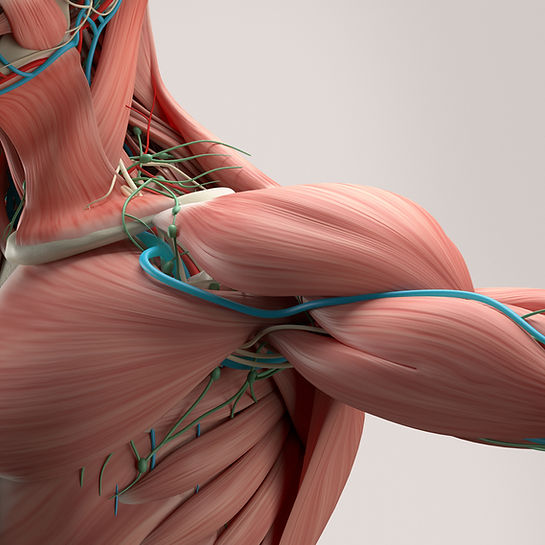
When muscles get tight or injured, they can literally get glued together by “knots” (adhesions), which makes movement feel stiff and heavy.
Deep tissue works by:
Breaking up the “glue”:
Deep pressure physically pulls those stuck fibers apart so they can slide smoothly again.
Melting the stiffness: Firm, slow strokes warm up the connective tissue, making it more like a liquid and less like a solid.
Improving “plumbing”: By clearing out those tight spots, blood can actually reach the muscle to flush out waste and bring in fresh oxygen.
Hitting the reset button: It tells your nervous system to stop holding so much tension, which helps fix bad posture habits.
Consistency is Key: Research indicates that while single sessions provide acute relief, long-term therapy (1–2+ years of regular sessions) correlates with significantly greater gains in permanent flexibility.
Post-Session Care: Because deep tissue can release metabolic waste and cause minor temporary inflammation, Staying Hydrated and engaging in gentle movement (like walking) within 24 hours helps flush the system and maintain the new range of motion.
in short:
Deep tissue work is a practice of patience and precision—slow and steady wins the race. Rather than forcing your way through, you sink into the tissue layer by layer until you meet resistance at an adhesion.
Once you hit that “knot,” you wait for the tissue to release and then simply follow the natural opening it creates. Because this work reaches very sensitive areas, the focus stays on a deep, rhythmic breath to help the nervous system let go rather than bracing against the pressure.